
Independent building inspections across the Fleurieu Peninsula, Adelaide Hills and regional South Australia.

Thirty-five years on the tools, now inspecting the homes your clients are about to buy.

Clear reports within 24 hours, no jargon.

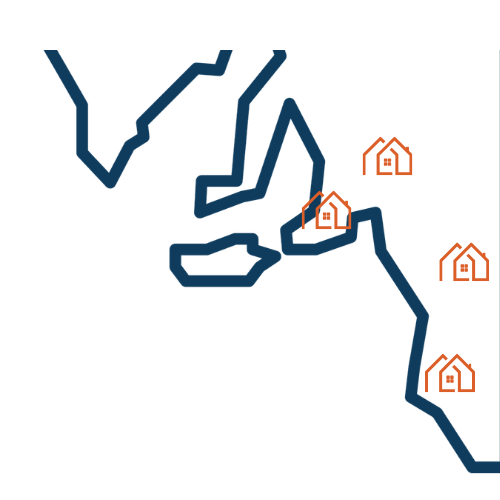
Servicing Victor Harbor, Goolwa, Strathalbyn, Port Elliot, Middleton, Yankalilla and Normanville, Hahndorf and the Adelaide Hills, plus Murray Bridge, Tailem Bend, and out through the South East to Robe, Kingston and Naracoorte.

35 years in the trade • Reports within 24 hours • Licensed builder • Fully Insured • Inspections to AS4349.1

Our Services

Great Southern Building Inspections is based on the Fleurieu Peninsula and travels across regional South Australia.

Pre-Purchase Building Inspections.

A full condition and defect check before your client buys, so there are no surprises after settlement. From $285. A visual, non-invasive inspection carried out to Australian Standard AS 4349.1.

Pre-Sale Inspections.

Selling instead? The same inspection, done before your client lists, so there's time to fix issues or price with them in mind, providing full transparency.

Why Agents and Conveyancers refer to Us

35 years in the trade

A trade-qualified carpenter and licensed builder who has built, repaired and supervised construction across the country. He knows where problems hide.

Independent, and on your client's side

No agency ties and no builder relationships. Just an honest read on the building.

Reports within 24 hours

Plain-English findings with clear photos, so contract timelines don't slip.

Easy to refer

One call, email or online form and Phil takes it from there with your client, and keeps you in the loop.


Working with local agents and conveyancers who refer their clients with confidence.

Building Inspection Service Areas

Fleurieu Peninsula

The core area runs from Strathalbyn through to Normanville, taking in Victor Harbor, Goolwa, Port Elliot, Middleton and Yankalilla.

Adelaide Hills

Mount Barker, Hahndorf, Stirling, Aldgate, Bridgewater, Crafers, Littlehampton, Nairne, Woodside, Echunga, Meadows, Macclesfield and Mylor. Phil served his apprenticeship in the Hills, so he knows the older housing stock, the climatic challenges and how houses are put together.

Murraylands and the South East.

Murray Bridge, Tailem Bend and surrounds, and out through the South East to Robe, Kingston and Naracoorte.

Great Southern Building Inspections provides specialist building inspections only. We do not carry out timber pest inspections, so agents and buyers know exactly what the report covers. If your client needs a timber pest inspection as well, they’ll need to arrange that separately under AS 4349.3.

Got a client that needs a building inspection?

What's not included: full exclusion

Inaccessible, unsafe or obstructed areas. Concealed defects behind walls, ceilings, floors, insulation, stored goods or fixed furnishings. Furniture and stored materials are not moved. Underground services and concealed pipework. Underground drainage, sewer and stormwater. Septic tanks, soakage trenches and treatment systems. Swimming pools, spas and equipment. Irrigation systems. Water tanks and pumps. Water quality or pressure testing. Gas installations and appliances. Electrical wiring, switchboards, circuits or appliances (beyond noting obvious visible defects and readily visible safety devices). Solar power, battery and solar hot water systems. Air conditioning, heating, ventilation and refrigeration. Home automation. Security systems, alarms, CCTV and intercoms. Telecommunications and data cabling. Fire detection beyond noting smoke alarm presence. Lifts and mechanical equipment. Household appliances. Built-in entertainment systems.

No engineering assessments, structural calculations, foundation design, geotechnical investigation, soil testing, load testing, or destructive or invasive investigation. No removal of floor coverings, wall linings, ceiling finishes or roof sheeting.

This inspection does not include a timber pest inspection. Unless specifically commissioned, no assessment is made of termites, borers, fungal decay, timber pest damage, or conditions conducive to timber pest attack. A separate timber pest inspection should be undertaken in accordance with AS 4349.3.

Moisture readings may be taken where appropriate, but the inspection is not a specialist leak detection investigation. It does not determine the exact source of moisture, the duration of water penetration, whether moisture is active or historical, or waterproofing compliance.

Inspected only where safe access is available. May be excluded where access openings are too small, insulation prevents safe inspection, stored items obstruct access, unsafe conditions exist, or clearance heights don’t comply with Australian Standard access requirements.

Inspected only where specifically included in the inspection agreement and readily accessible.

No assessment of asbestos, lead paint, mould or air quality, methamphetamine contamination, hazardous chemicals, radiation, noise, environmental contamination or electromagnetic fields.

The inspection does not predict remaining service life of components, future structural movement, future water penetration, future maintenance costs or future material performance.

No responsibility for defects that were concealed at the time of inspection, could not reasonably be detected during a visual inspection, develop after the inspection date, or become apparent due to future weather events or changes in occupancy.

The Full Building Inspection Checklist

Foundation movement, structural cracking, settlement, distortion, deflection, sagging, bulging, stability concerns, undulating floors, uneven surfaces, separation of building elements.

Roof leaks, water penetration, rising damp, moisture intrusion, drainage issues, surface water management, ventilation deficiencies, signs of previous water damage, timber decay (rot).

External walls, brickwork, render, cladding, mortar deterioration, brick fretting, flashings, windows, doors, fascias, barges, eaves, gutters, downpipes, roof coverings, skylights, roof penetrations, valley gutters.

Ceilings, walls, floors, doors, windows, internal linings, plasterwork, paint finishes, cabinetry, bench tops, tiling, wet areas, stairs, balustrades, handrails.

Bathrooms, ensuites, toilets, laundry, kitchen, shower recesses, baths, basins, plumbing fixtures, taps, moisture detection, waterproofing performance (visual indicators only).

Where it is safe and accessible, we inspect roof framing, roof trusses, rafters, ceiling framing, sarking, insulation, ventilation, downlight clearances, evidence of leaks, timber deterioration.

Where it is safe and accessible, we inspect timber framing, bearers, joists, stumps and piers, moisture, ventilation, drainage, timber condition, structural movement.

Smoke alarms (presence only), safety switch / RCD (presence only), obvious electrical safety concerns, trip hazards, unsafe balustrades, general safety hazards. Functional testing of electrical, plumbing or gas systems is outside the scope of a standard building inspection.

We inspect structures within about 30 metres of the dwelling and inside the boundaries. Garages, carports, sheds, detached laundries, pergolas, verandahs, patios, decks, balconies, retaining walls, fencing, paths, driveways, surface drainage.

Structural cracking, movement, settlement, water penetration, roof leaks, timber decay, corrosion, dampness, rising damp, inadequate ventilation, poor drainage, deteriorated mortar joints, brick fretting, delaminating materials, defective render, drummy wall and floor tiles, bulging walls, sagging roof framing, defective internal linings, swollen building materials, moisture damage, maintenance issues, safety hazards.